
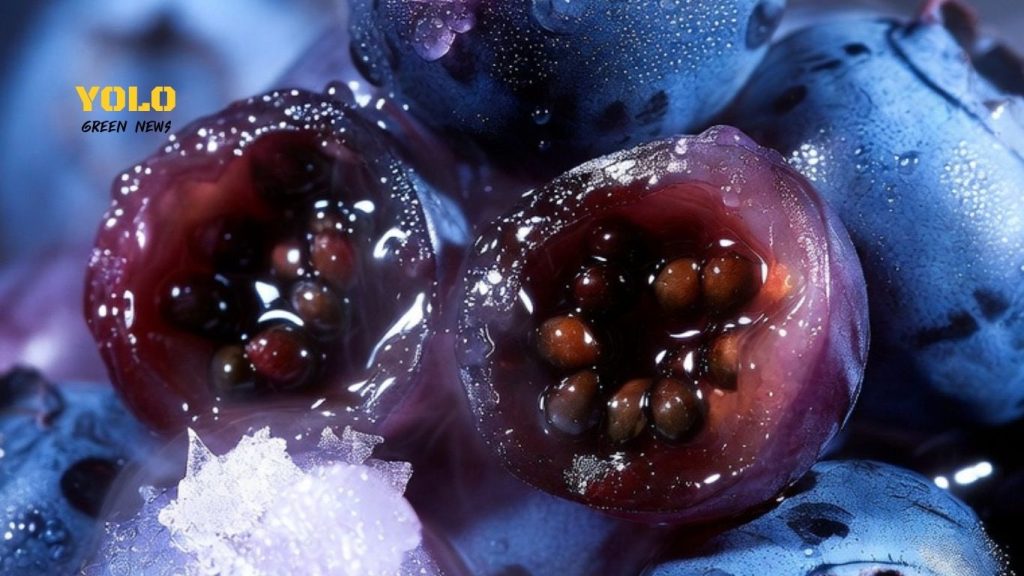
Many people believe fresh fruit is always more nutritious than frozen fruit. However, when it comes to blueberries, several studies suggest that freezing may actually help the body access key nutrients more effectively—especially anthocyanins, the powerful antioxidants responsible for blueberries’ deep purple color. These compounds are known to support brain function, eye health, and protect cells from oxidative damage.
When blueberries are frozen, water inside the fruit forms ice crystals that break down the plant’s cell walls. As the berries thaw, more anthocyanins are released, making them easier for the body to absorb compared to fresh blueberries under certain conditions.
Frozen blueberries also retain their nutritional value well, have a longer shelf life, and are convenient to enjoy year-round. If you thaw them before eating, don’t throw away the purple juice—it contains valuable nutrients that are worth consuming as well.
Whether you choose fresh or frozen blueberries, both are excellent additions to a healthy diet. But freezing offers a simple way to preserve the fruit while potentially enhancing the availability of its beneficial antioxidants.
Cr. clean_lovely