
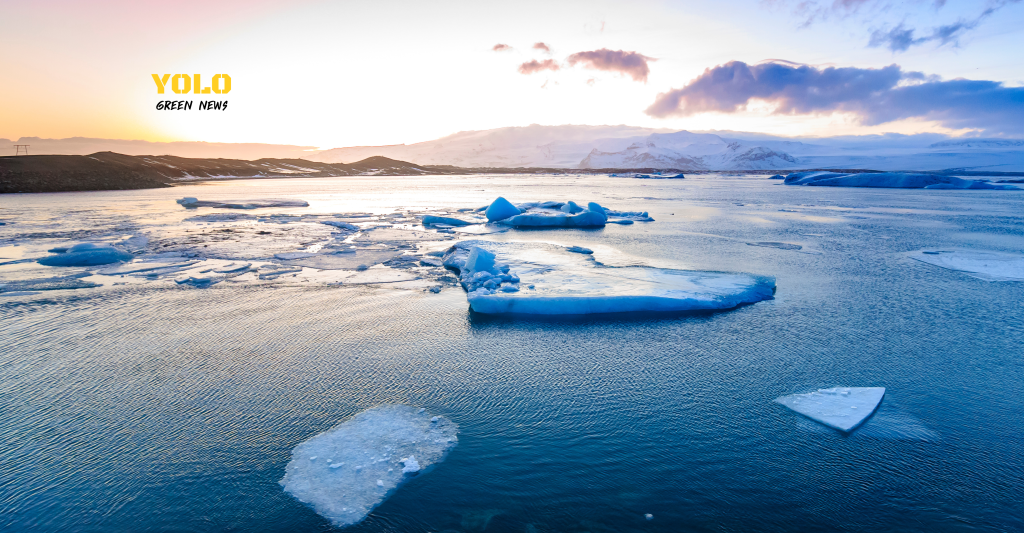
The “Thwaites Glacier,” often referred to as the “Doomsday Glacier” in West Antarctica, is melting at an alarming rate. It is currently losing ice five times faster than it did in the 1990s, and scientists warn that the process could accelerate even further in the future.
The main cause is warm ocean water flowing beneath the glacier, eroding it from below and weakening its structure, increasing the risk of a “chain-collapse” scenario that could become irreversible.
If the glacier were to collapse completely, global sea levels could rise immediately by around 65 centimeters. Even more concerning, it could destabilize the entire Antarctic ice sheet system, potentially causing sea levels to rise by several meters in the long term.
The impacts would be felt in coastal cities around the world, including Greater Bangkok, where more than 7 million people could be affected. Major cities such as Shanghai, Ho Chi Minh City, Tokyo, and Dhaka also face a high risk of severe flooding.
Scientists emphasize that the most critical solution remains “reducing global warming,” as this is a global warning sign that is already unfolding.