
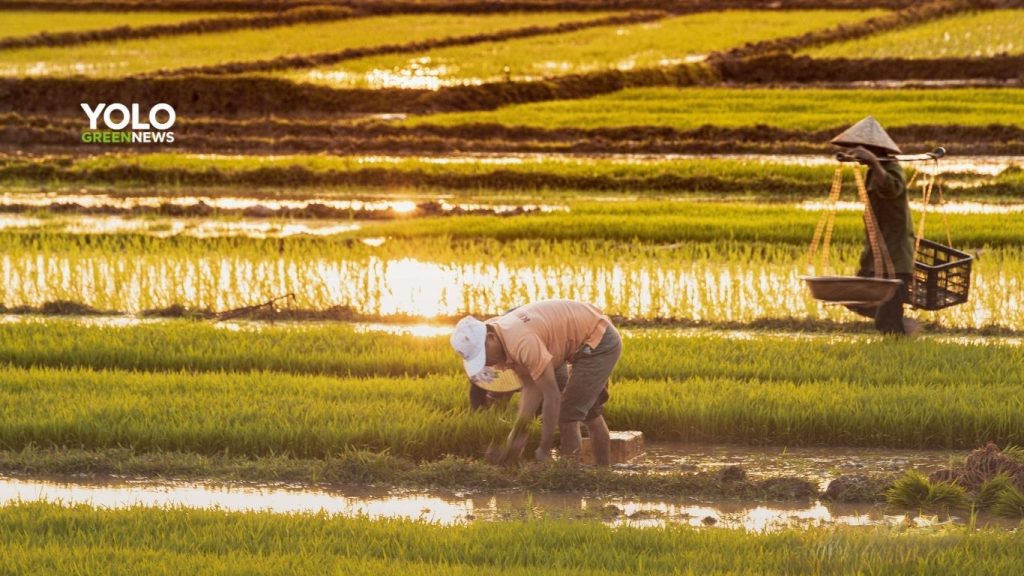
UPOV 1991 is an international convention that protects the rights of plant breeders, granting them control over certain acts involving the production, propagation, and sale of protected plant varieties. Its goal is to encourage research and the development of new plant varieties.
The issue has drawn attention amid Thailand–EU Free Trade Agreement (FTA) negotiations, with farmers and civil society groups raising four major concerns:
1. The Right to Save Seeds for Replanting
Concerns that restrictions on protected plant varieties could limit farmers’ ability to save seeds for use in the next growing season.
2. Rising Seed Costs
Stronger protection of breeders’ rights could increase farmers’ dependence on commercial seeds and potentially raise production costs.
3. Biopiracy and EDV Disputes
Concerns over the use of local genetic resources and potential disputes involving Essentially Derived Varieties (EDVs).
4. Market Monopolization and Biodiversity Loss
Fears that large companies could gain greater control over the seed market, potentially affecting native plant varieties and agricultural biodiversity.
Meanwhile, supporters argue that UPOV 1991 could encourage investment, research, and the development of new plant varieties.
The key challenge for Thailand is finding a balance between promoting plant breeding innovation and protecting the rights and interests of Thai farmers.