
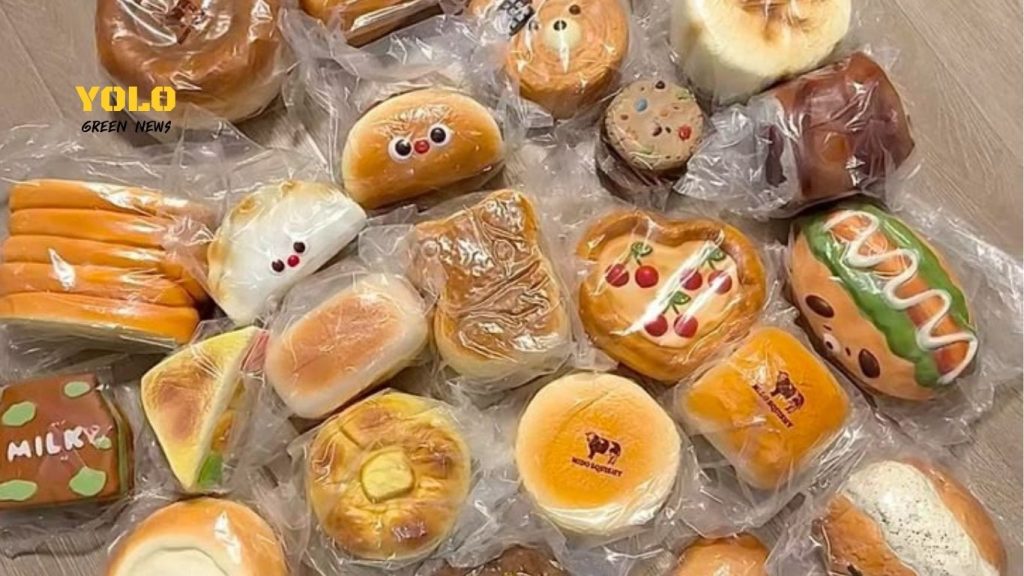
Squishy toys, the soft and squeezable stress-relief toys loved by people around the world, are mostly made from polyurethane (PU) foam, a synthetic material derived from petroleum. While they are fun to play with and help relieve stress, they also carry environmental consequences that many people may not realize.
Because PU foam is difficult to decompose and has limited recycling options, discarded squishy toys often end up in landfills, where they can remain for many years. As the material breaks down, it may also contribute to the growing problem of microplastic pollution, contaminating soil and water ecosystems.
Environmental experts encourage consumers to use squishy toys for as long as possible, avoid unnecessary purchases, and choose longer-lasting products whenever possible. Small items that bring temporary happiness can leave a lasting impact on the planet if not used and disposed of responsibly.