
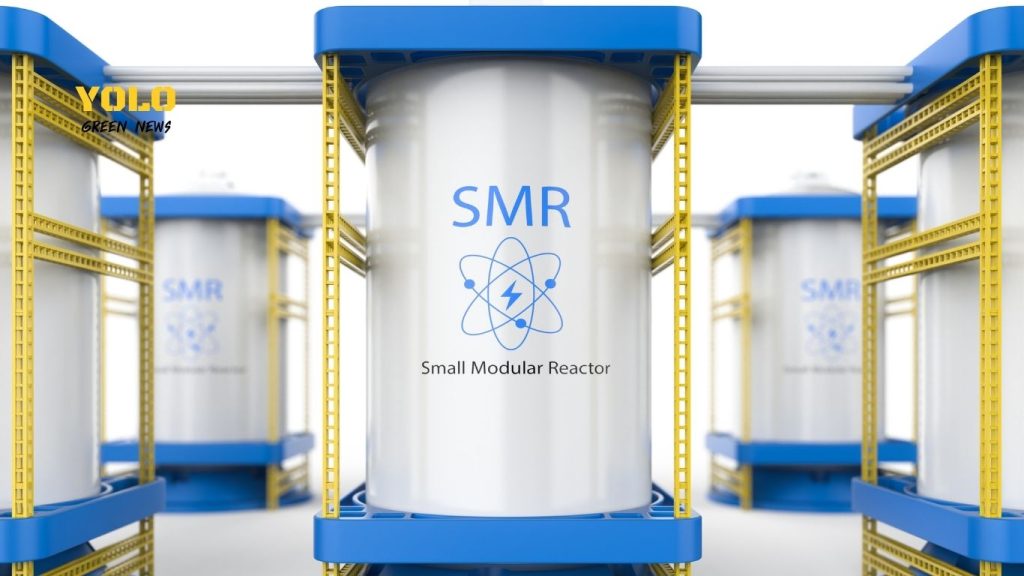
As global demand for clean energy continues to grow, Small Modular Reactors (SMRs) are gaining attention as a next-generation nuclear technology capable of providing reliable, around-the-clock electricity while producing very low carbon emissions.
Unlike conventional nuclear power plants, SMRs are factory-built as modular units, allowing for better quality control, faster construction—typically within 3–5 years—and the flexibility to expand power capacity as demand increases.
One of SMRs’ key advantages is their enhanced safety design. Many SMRs incorporate passive safety systems, which can automatically shut down the reactor and remove excess heat without requiring external power or human intervention. They also feature multi-layer containment structures designed to significantly reduce the risk of radioactive material being released in the event of an accident.
Countries including France, the United States, China, and Canada are investing in SMR technology to strengthen energy security while supporting their carbon reduction goals. Thailand is also exploring the potential role of SMRs as part of its future energy strategy.
Although SMRs are designed with advanced safety features, their deployment still requires robust regulations, strict safety standards, and transparent public communication to ensure that future energy development is both safe and publicly trusted.
Cr. Jessada Denduangboripant