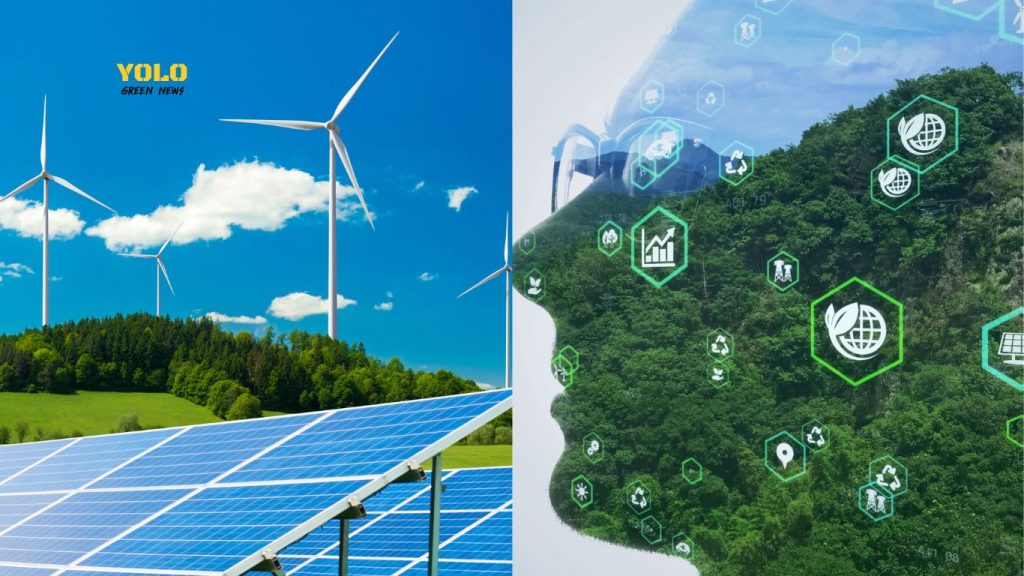
As the world races toward clean energy and green technology to combat climate change, a crucial question emerges:
“Can we protect the planet’s future without compromising the lives of people today?”
The Hidden Costs of Going Green
A striking example is the Atacama Salt Flats in Chile—a key source of lithium for electric vehicle batteries. While EVs promise to reduce future emissions, lithium mining has been draining wetlands and degrading local ecosystems, leading to the loss of flora and fauna.
Similar stories are unfolding globally:
- Nickel mines in Indonesia have devastated forests and polluted water and air.
- Cobalt mines in the Democratic Republic of Congo rely on child labor under unsafe conditions.
- Wind farm projects in Mexico have displaced Indigenous communities without proper consent.
- Hydropower dams along the Mekong River threaten the livelihoods of local farmers and fishers.
- Even solar panels, once hailed as clean, become hazardous waste if not properly managed at end-of-life.
The Way Forward: Pairing Technology With Justice
Sustainable progress requires more than green innovation—it demands inclusive decision-making and environmental accountability. That means:
- Involving local communities from the beginning
- Conducting thorough environmental and social impact assessments
- Investing in newer technologies that use fewer resources, even if they cost more today
Bottom Line
Green technology must not become a new source of harm masked as hope. Without thoughtful planning and meaningful community participation, “clean” energy risks becoming just another driver of inequality and ecological damage.
True sustainability means leaving no one behind—so that clean energy leads not to new crises, but to a better future for all.
Source: https://www.posttoday.com/smart-city/727861