
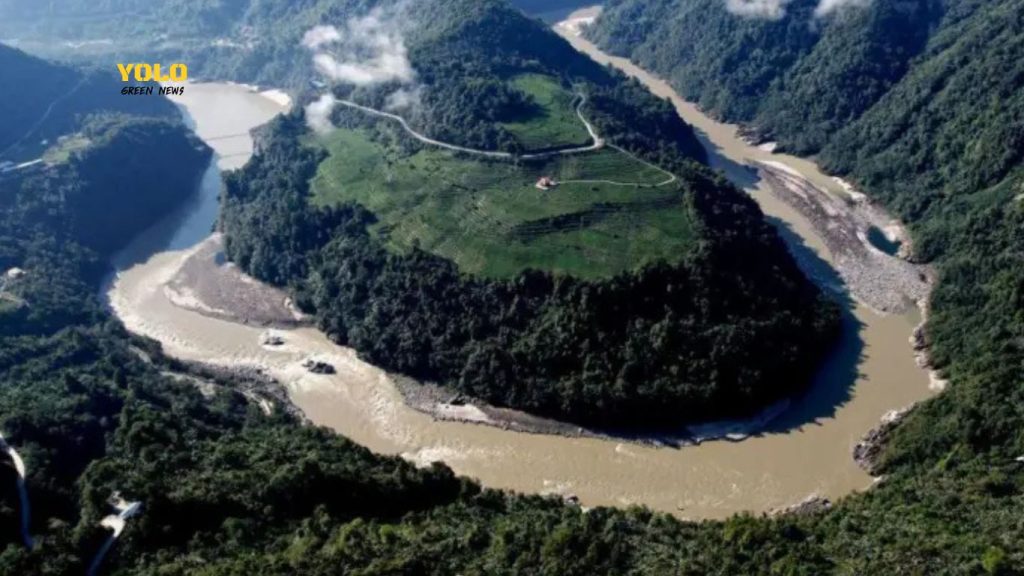
China has launched construction of what will become the largest hydropower dam in the world, located on the Yarlung Tsangpo River in the Tibet Autonomous Region. With an investment of over $167 billion, the project is expected to take at least 10 years to complete and deliver a staggering 70 gigawatts of power—three times the capacity of the Three Gorges Dam.
Potential Benefits
- Massive boost to investment and infrastructure in the region
- Reduction of up to 300 million tons of carbon emissions annually through clean energy generation
Rising Concerns
- Environmental risks: Disruption of ecosystems, biodiversity loss, and water flow changes
- Human impact: Displacement of local communities in the dam’s catchment area
- Geopolitical tensions: The Yarlung Tsangpo flows into disputed territories before reaching India and Bangladesh, raising fears of cross-border water conflicts
While the project represents a landmark in renewable energy capacity, critics warn that its social, ecological, and geopolitical costs could be far-reaching and long-lasting.
Source: Instagram
Related posts:
The U.S. government has announced a ban on the import of new foreign-made humanoid robots...
A heartbreaking incident occurred along the coast of Sardinia, Italy, after the body of a...
Europe continues to battle severe wildfires, with Spain and France among the hardest-hit ...
Japan is rapidly expanding the use of **AI translation tools** across train stations, air...
Post Views: 5