
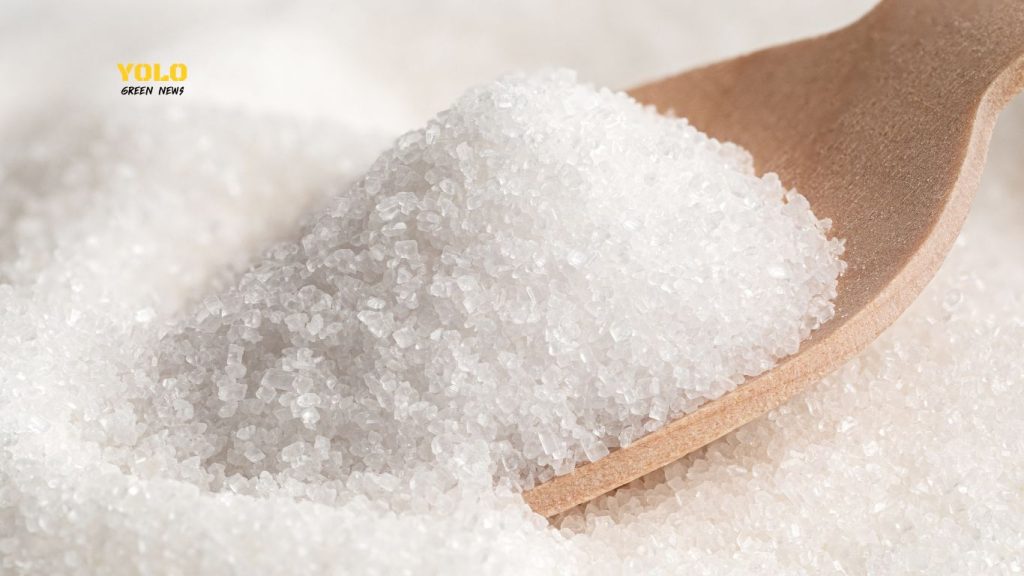
China has developed a groundbreaking technology to produce sugar from carbon dioxide, reducing reliance on resource-intensive crops like sugarcane and sugar beet, which require vast amounts of land and water.
The process uses methanol, derived from captured CO₂ or industrial waste, which is then transformed through an in vitro biotransformation (ivBT) enzyme process into high-carbon sugars and starch. This method achieves a conversion rate of up to 86% while consuming less energy than conventional sugar production.
Benefits and Impact
- Reduces carbon waste by reusing captured CO₂
- Strengthens China’s food security by reducing sugar imports
- Opens opportunities for wider industrial applications of sugar
- Offers a cleaner, more sustainable alternative to traditional agriculture-based production
This innovation could reshape both the food and industrial sectors, turning a major greenhouse gas into a valuable resource for the future.
Source: Instagram
Related posts:
Panasonic Energy is developing an all-solid-state battery capable of operating at tempera...
Solid-state battery technology is moving closer to commercial production, with leading au...
Reuters reported that NATO allies, led by the UK, Norway, and the United States, detected...
Indonesia is facing a severe wildfire crisis across forests and peatlands on the islands ...
Post Views: 11