
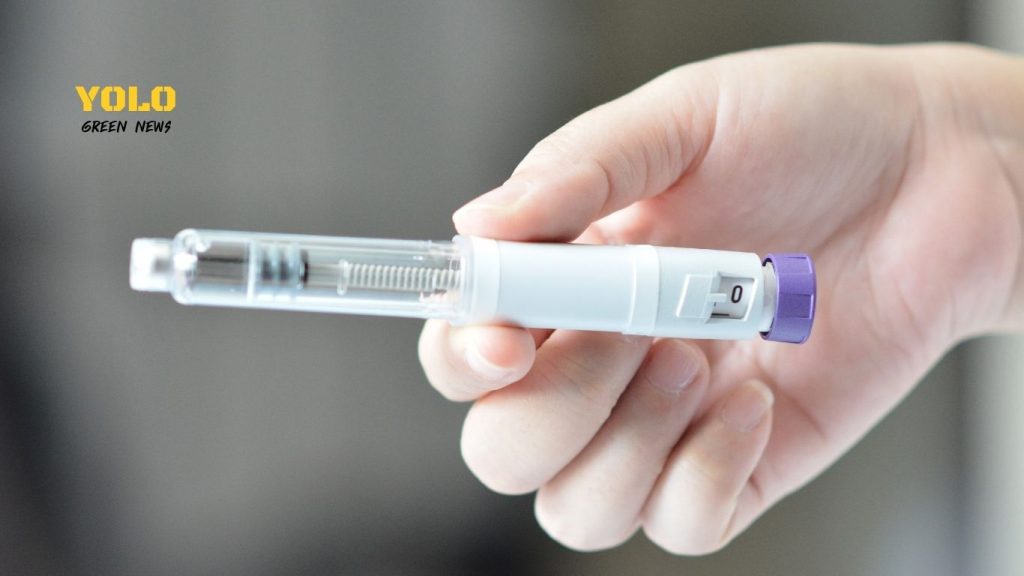
Weight-loss injection pens such as Ozempic, Saxenda, and Wegovy are becoming increasingly popular worldwide. However, behind their effectiveness in managing obesity and diabetes lies an environmental impact that many people may not be aware of.
Most injection pens are made from high-grade plastic and are designed for single use, generating significant amounts of waste. Used needles are classified as medical waste and require special disposal methods. In addition, residual pharmaceutical compounds may enter waterways, while the cold-chain storage and transportation required for these medications consume large amounts of energy, contributing to greenhouse gas emissions.
While weight-loss pens are an innovative tool that can improve quality of life, proper disposal practices and manufacturer-led recycling programs can help reduce their environmental footprint and support a more sustainable approach to healthcare.