
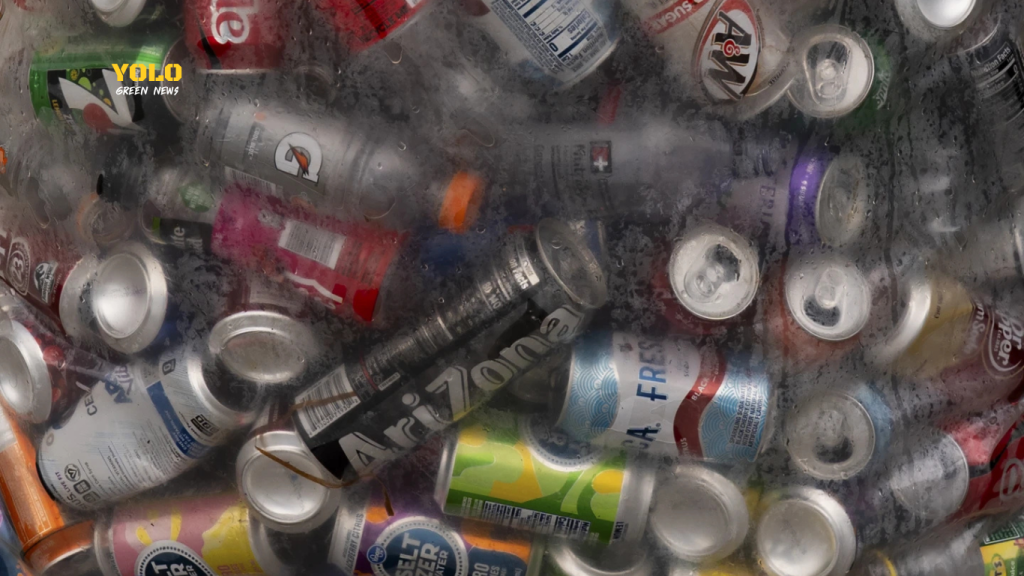
Oregon, the first U.S. state to pass a “Bottle Bill” in 1971, launched the program to encourage recycling through a simple system:
Consumers pay a 10-cent deposit when purchasing beverage bottles or cans and receive the deposit back when returning the empty containers.
Over the decades, the law has successfully reduced waste, boosted recycling rates, and provided a source of income for low-income individuals and some people experiencing homelessness who collect bottles for redemption.
However, in recent years, residents in Portland — especially Monica Truax, who has lived in her community for over 30 years — have raised concerns.
She reports that the bottle redemption center near her home has become a hotspot for social issues, including:
- Drug activity, especially involving cheap fentanyl
- Homeless encampments around the center
- Overflowing trash, street fights at night
- Some individuals using the refund money to buy drugs
- 24-hour convenience stores being required to accept returns at all hours, raising employee safety concerns
Store owners like the CEO of the Plaid Pantry chain have suggested that the law be adjusted to limit redemption hours, arguing that employees have “no choice” but to accept returns even during dangerous late-night hours.
On the other hand, users of the redemption system — like Chris Grass — say the program helps them cover basic costs like gas and coffee during periods of unemployment.
He adds, “Collecting bottles is good for the environment.”
In 2023, Oregon reported a bottle return rate of 87%, the highest in the United States.
Source: https://apnews.com