


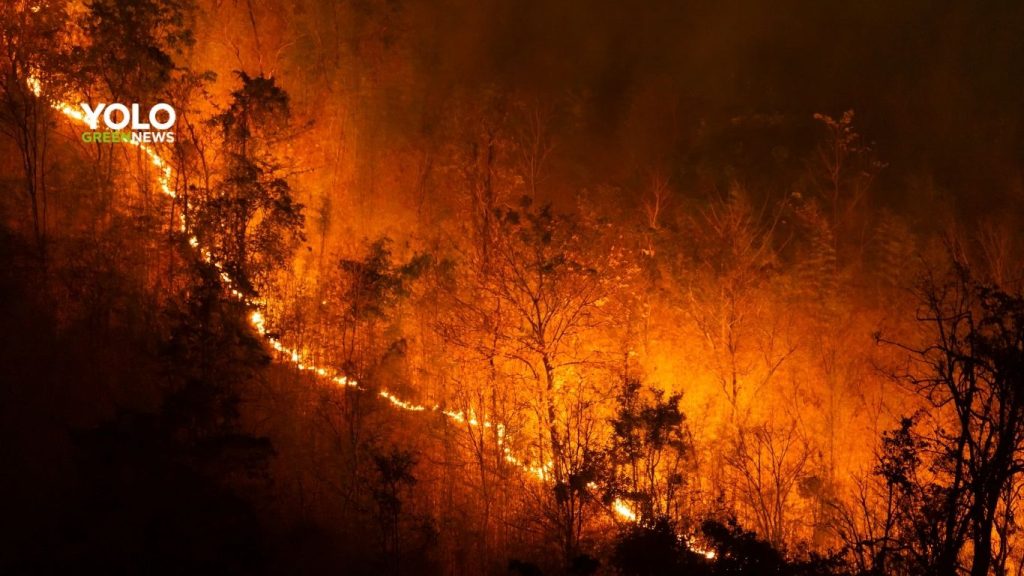
Indonesia is facing a severe wildfire crisis across forests and peatlands on the islands of Borneo and Sumatra. Between September 1–7, wildfires released 19.7 million metric tons of emissions, the highest level recorded globally during the period and accounting for more than one-third of total wildfire emissions worldwide.
According to Fire Emissions Watch, wildfire emissions in Indonesia were 273% above the seasonal average. Emission intensity exceeded 1,500 kilograms per square kilometer, with the worst-affected areas concentrated in Kalimantan and eastern Sumatra.
Scientists say the El Niño phenomenon, which has brought hotter and drier-than-normal conditions, is a key factor worsening the fires. Dry vegetation and peatlands provide more fuel, allowing fires to spread more rapidly and burn more intensely.
The wildfires are also severely affecting air quality. In Pontianak, West Kalimantan, the Air Quality Index (AQI) reached 394, a level considered hazardous.
Although this year’s emissions remain below the 21.7 million metric tons recorded during the same week in 2015, the latest figures highlight the severity of Indonesia’s wildfire season and the growing risks associated with extreme heat and drought linked to El Niño.
Cr. news.trueid
Related posts:


