
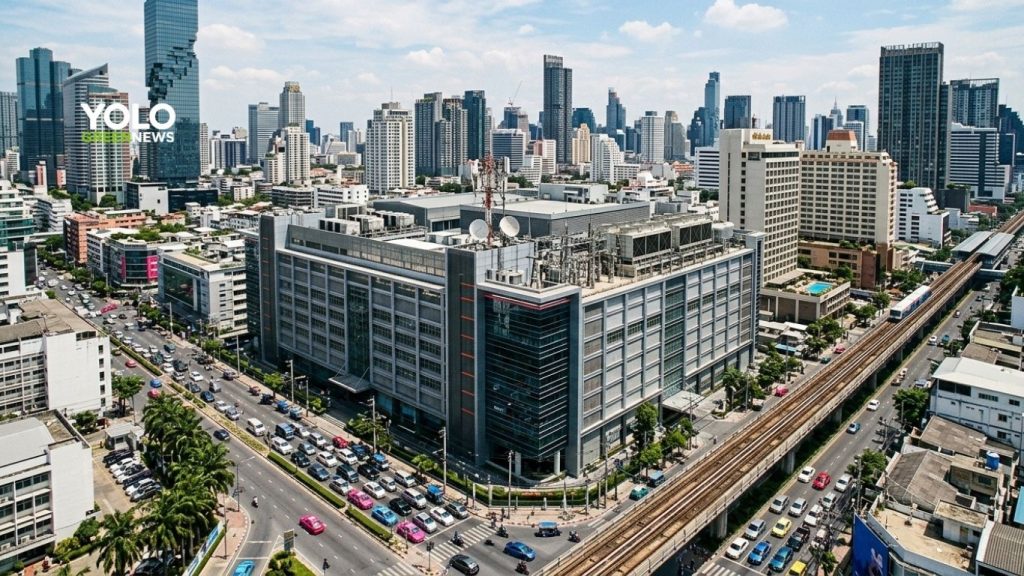
The rapid expansion of data centers to support the AI and cloud era is increasing demand for digital infrastructure. However, locating large-scale data centers in urban areas can create impacts on both local communities and the city’s infrastructure, as these facilities require significant amounts of electricity, cooling systems, and backup power.
Key impacts to watch include high electricity consumption, which can place additional pressure on power grids; significant water use for cooling systems; as well as noise and heat generated by machinery operating continuously, often around the clock.
Another major concern is public safety, particularly for data centers that rely on diesel generators and store large quantities of backup fuel. These facilities can increase the risks of fire, fuel leakage, and air pollution. If an emergency occurs in a densely populated urban area, evacuating residents and allowing emergency responders to access and control the situation could become more difficult.
Therefore, the development of data centers should not be viewed solely through the lens of investment and the digital economy. It should also take into account energy consumption, water use, environmental impacts, public safety, and community quality of life, alongside appropriate standards for site selection, safety systems, and fuel storage capacity.
Data centers are essential infrastructure for the future—but their growth should not come at the cost of communities bearing the risks.