
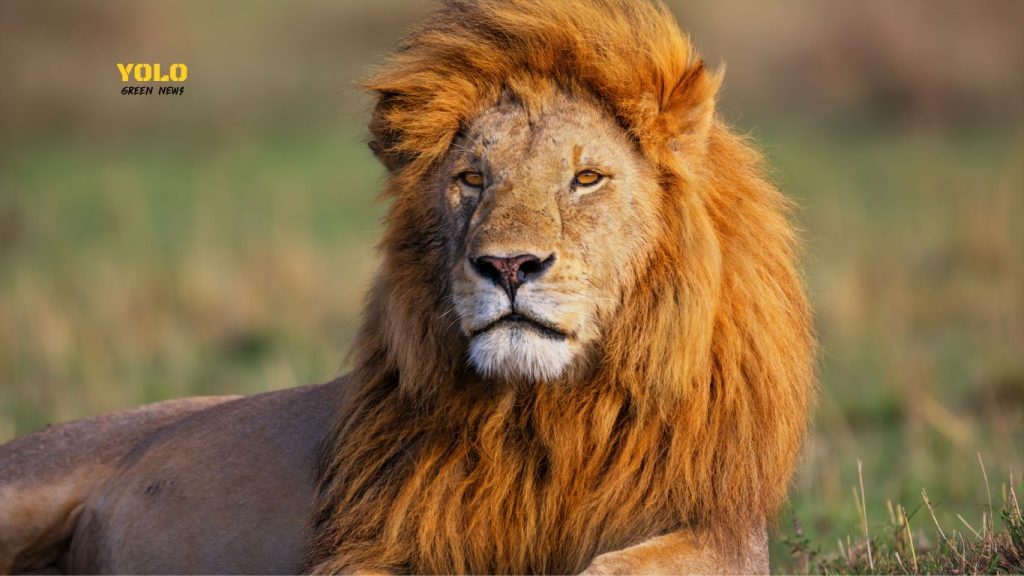
Lions have long been called the “King of the Jungle”—not only for their strength as apex predators but also for their vital role in maintaining environmental balance.
As top predators, lions help regulate populations of herbivores, preventing them from overgrazing and destroying vegetation. This ensures that plant diversity is preserved and that ecosystems remain balanced for other species to thrive.
Moreover, the carcasses left behind by lions provide food for scavengers and insects, enabling nutrients to recycle back into the soil. Their presence in a habitat is therefore a key indicator of ecosystem health, reflecting an environment where wildlife, vegetation, and biodiversity coexist sustainably.
Related posts:
Tensions in the Middle East and risks surrounding transportation through the Strait of Ho...
Saraburi Province continues to face a long-running wastewater crisis, with major water so...
The **Eastern Economic Corridor (EEC)** covers three provinces—**Chonburi, Rayong, and Ch...
**PDP2026 Faces a New Challenge: Designing a Cleaner, More Reliable Thai Power System**
...
Post Views: 7